
In a Season of Silence
Written By Ritika Sharma
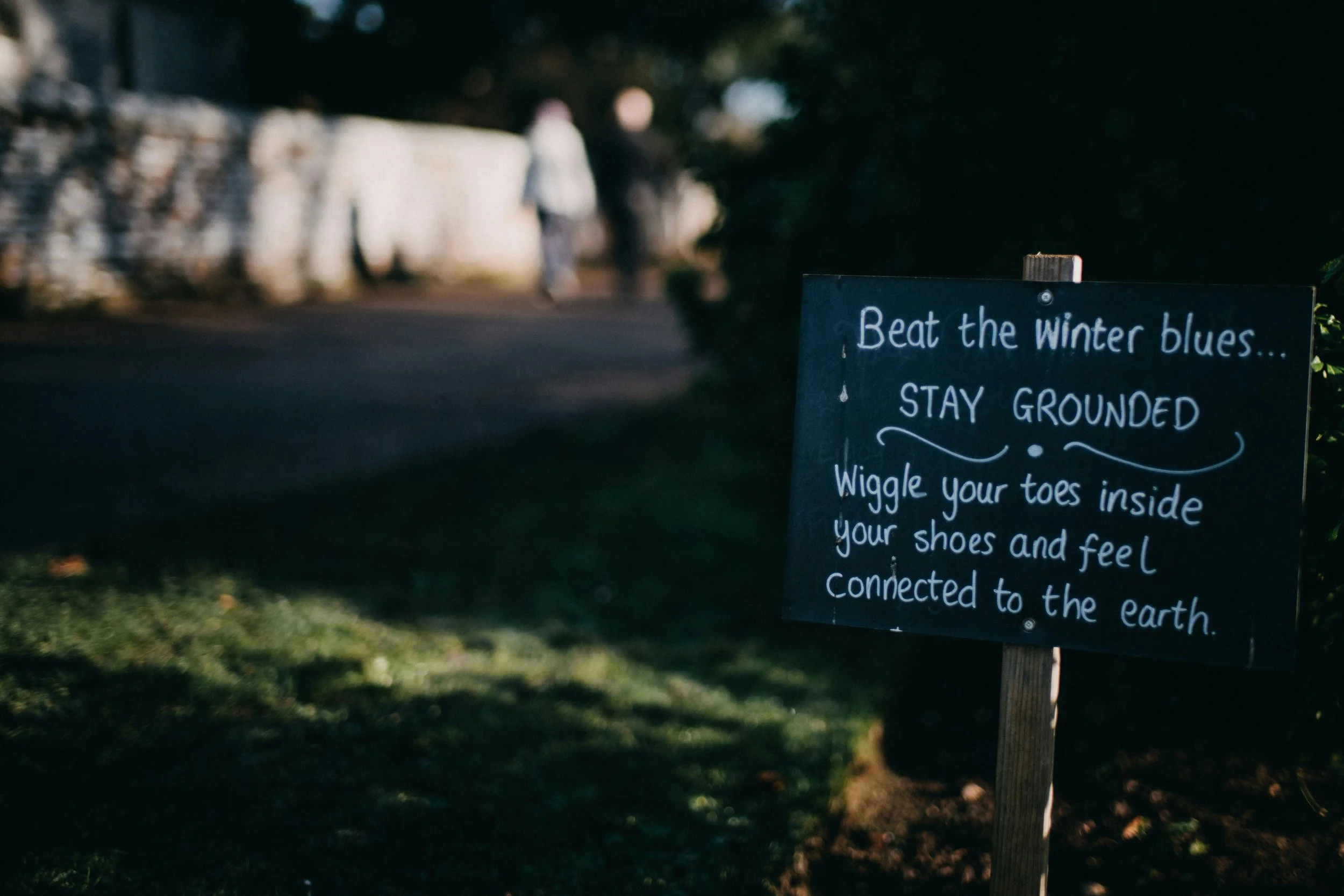
Thumbnail and Banner Photo by Annie Spratt on Unsplash
When Winter Feels Quiet: Seasonal Depression and Finding Support at Saint Mary’s University
The winter nights feel longer than they should. When I first imagined university life in Canada, I pictured crowded streets, spontaneous plans, music spilling out of house parties, and laughter echoing down sidewalks. I thought January would still carry that energy.
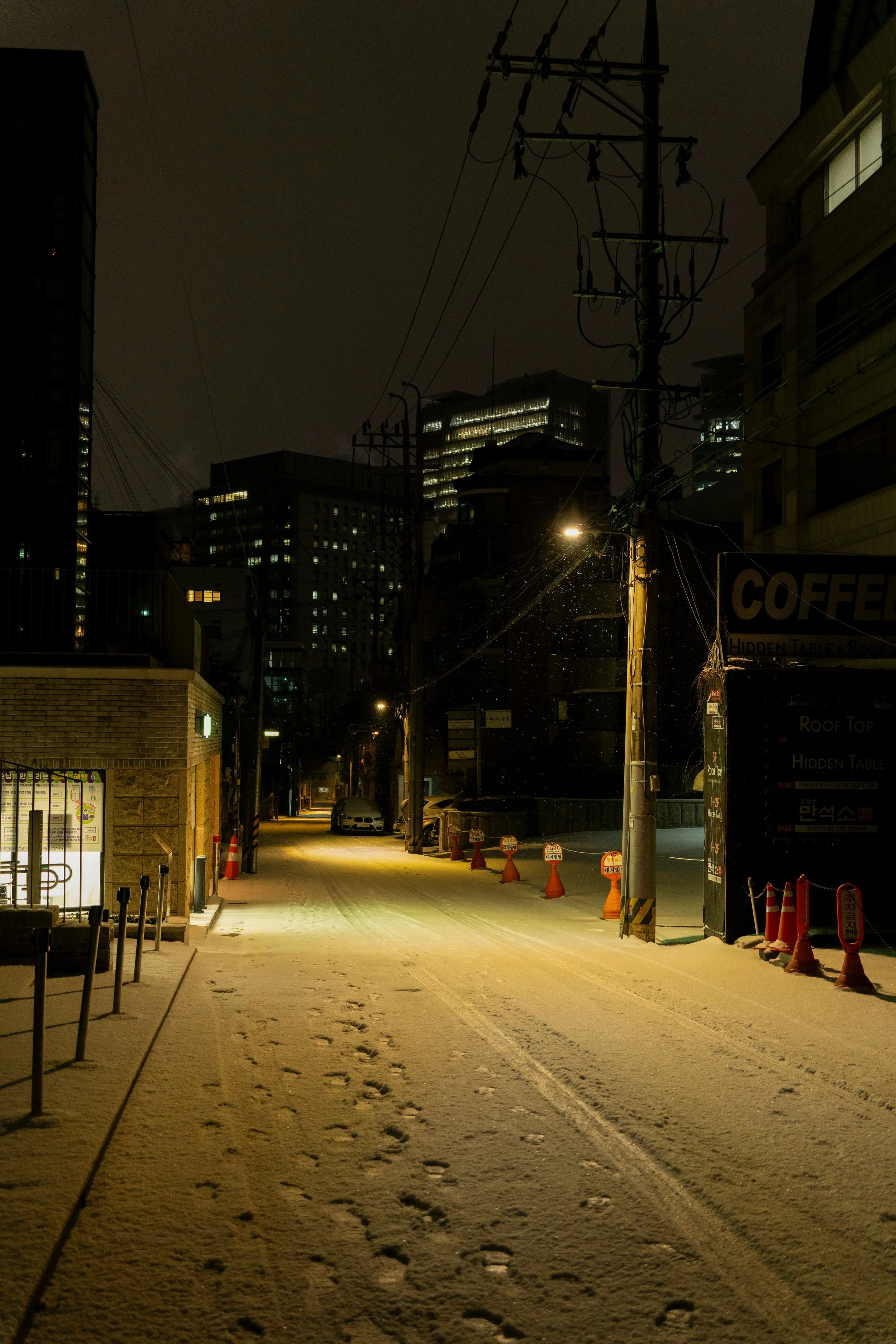
Instead, one random evening this winter, I stepped outside and was met with silence. The streets were empty, no familiar faces, no noise, just cold air and closed doors. For a moment, it felt like I had walked into a scene from a zombie apocalypse. Everyone was inside, hidden, gone.
That was when I started to understand what people may mean when they say, "We work hard in the winter and live in the summer."
But what happens to us in between?
The Winter Blues Are Real
In Canada, winter is not just a season; it is an experience. Shorter days, longer stretches of darkness, icy sidewalks, and weeks that seem to blur together.
Research suggests that between two and fifteen percent of Canadians experience what is commonly known as the winter blues each year. Up to 60% report a noticeable drop in mood during the colder, darker months. While milder than seasonal affective disorder, the winter blues can still quietly shape daily life.
Common symptoms include fatigue, low motivation, increased appetite (especially cravings for carbohydrates), sleeping more than usual, and a general heaviness that begins in late fall and lingers through winter.
The causes are layered. Reduced sunlight affects our circadian rhythm and serotonin levels. Colder temperatures keep us indoors. For some, post-holiday stress or financial strain adds to the emotional weight.
It is very subtle at first. You just feel tired; you cancel one plan, then another. You tell yourself you are just adjusting, but sometimes it is more than that.
Small Ways to Reclaim the Light
There are practical ways to cope with winter blues, and they are often simpler than we expect.
Maximizing sunlight can make a meaningful difference. Sitting near windows, keeping curtains open, and spending time outdoors during daylight hours can help regulate mood. Many experts recommend 10,000 Lux Light Therapy boxes, which mimic natural daylight and can support emotional balance during darker months.
Movement also matters. Regular exercise boosts endorphins and reduces stress hormones. It does not have to be intense. Even a daily walk can shift your state of mind.

Maintaining a consistent routine, especially your sleep schedule, helps stabilize energy levels. Staying socially connected, whether through friends, campus events, or even study groups, can counteract the isolation winter often brings.
When the weight feels heavier than seasonal sadness, however, it is important to reach out. If symptoms become overwhelming or debilitating, speaking to a health care provider is essential.
There is strength in asking for help.
Finding Support at Saint Mary’s University
Many of us grew up thinking therapy is only for people who are deeply sad, having panic attacks, or not okay. We imagine it is something you turn to when things are falling apart, and yes, therapy is absolutely for people going through those moments, but it is not only for those in crisis.
Sometimes you don’t even know whether you need it or not. Sometimes nothing dramatic is happening. You're just a little blue, a little stressed, a little overwhelmed, and you cannot quite explain why. That was me.
One day, I was feeling slightly off, not broken, not spiralling, just tired in a way that felt heavier than usual. I decided almost randomly to book an appointment at the Saint. Mary's University Counselling Centre. I told myself maybe I just need to talk to someone. Honestly, I thought it would feel like talking to a friend.
In some ways, it did, but in the best way possible. It felt like talking to a friend who is emotionally intelligent, someone who listens without judgment, who understands patterns, and who gently challenges you when needed. Not a blind person leading another blind person, but someone who can stand outside your situation and help you see it clearly. Someone who can be warm like a friend and grounded like an adult at the same time.
The first session was a little awkward. That is normal. You are sitting across from someone new, trying to explain feelings you may not have fully understood yourself. Sometimes you don’t even know what is triggering your moods, shaping your patterns, or why you are not sleeping well. So much happens in daily life that we brush aside; we adapt, distract ourselves, and keep going.
The day I started talking to my therapist, something shifted.
I realized that most of us are not afraid of what is happening around us. We are afraid of what is happening inside us. We are afraid to sit down alone with our thoughts. We are afraid to examine them too closely. We often try to stay busy when we feel low: keep moving, keep working, keep distracting yourself, and we do.
We fill our schedules. We study longer. We scroll more. We go out more. We avoid silence.
Then night comes, the noise fades, and everything we avoided during the day waits for us in the dark. Therapy taught me something different. You do not always need to keep yourself busy. Sometimes you need to make time to be yourself, to face your mind, to sit with your heart, to understand what is actually happening beneath the surface. You cannot fix everything around you if you never look inward.
I am truly grateful for this experience. Counselling gave me a safe space, a place where I could speak openly without judgment, a place where I could unpack confusion, fear, and hope, and a place where I could think clearly and begin to heal.
That space matters.
And it is available to every student at Saint Mary’s University.
The Conversation You Did Not Know You Needed

If you are wondering how this works in practice, Saint Mary’s University has a Counselling Centre right on campus that is available to students who are registered and attending classes. You can learn more about the centre and the services offered by visiting the main Counselling page. Whether you are dealing with stress, anxiety, academic pressure, relationship challenges, homesickness, or simply feeling off without knowing exactly why, support is there. The centre provides individual counselling sessions, crisis support, workshops, and additional mental health resources, which are outlined here.
Booking an appointment is simple; just request a session through the online appointment form. If it is your first time, you submit an initial request, and the team will follow up with the next steps and available options. If you have questions or need to contact the office directly, their contact information is available here. Sessions may be offered in person or virtually, depending on availability and your needs. Once you take that first step, you are no longer trying to figure everything out on your own.
Here are some additional mental health services available to Nova Scotians outside of SMU through Nova Scotia Health.
Choosing Light in the Quiet Season
This winter, I am trying to meet the silence in a different way.
I still step outside, even when the streets feel empty. I try to meet people. I make time for myself. I’m learning to love myself patiently, not performatively. I’m learning to feel safe in my own mind. Winter will always be a part of our lives in Canada. The dark months will come and go, but so will the light.
If you find yourself walking down a quiet street this winter, wondering why everything feels heavier than it should. Know this: you are not weak, you are not alone, and there are resources, people, and spaces on campus where you can find support while you find a way back to yourself.
Sometimes it is simply about reaching for light, one small step at a time.