
When The World Wakes Up Again: Spring, Easter, and the Quiet Power of Hope

Written By Ritika Sharma
Thumbnail and Banner Photo by Anna Bratiychuk on Unsplash
The Shift You Can’t Quite Name
There is something almost unfair about April. One week, you are trudging to class in a coat you have been wearing since October, head down, counting the days until exams are over. Then, almost without warning, the trees start showing the faintest green, a bird lands somewhere nearby that you are fairly sure you haven’t heard in months, and the light stays just a little bit longer than it did yesterday. Something in your chest shifts. You cannot fully explain it, but it is there.
That feeling has a name, and it is hope.
Why Are Spring And Hope Wired Together?
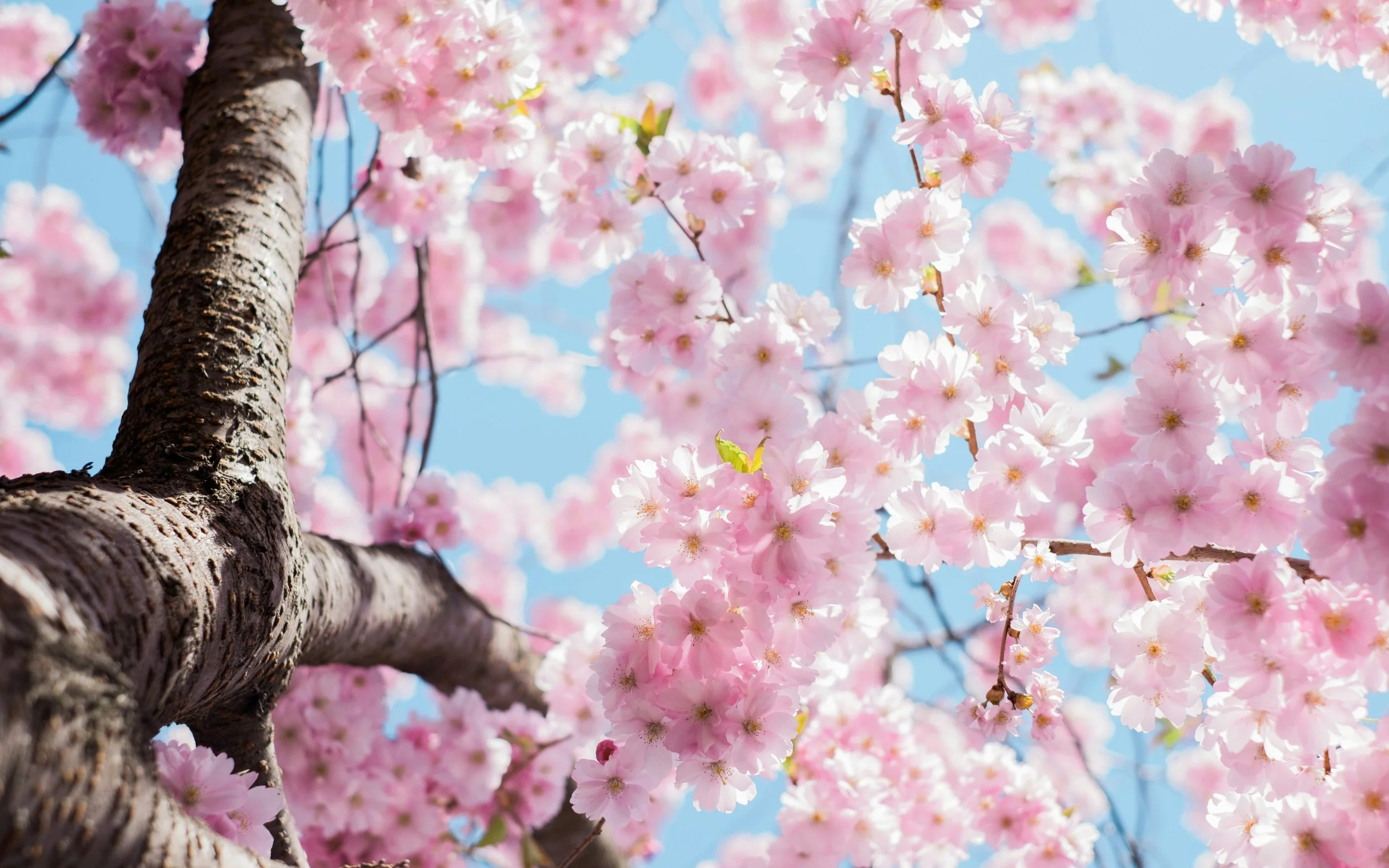
Spring and hope have always had a quiet partnership. Researchers in psychology have looked at this connection for decades, and the findings are not especially surprising once you think about them. Increased sunlight in spring drives serotonin production in the brain, the same neurotransmitter that many antidepressant medicines are designed to support. More light means a better mood. A better mood means a greater sense of possibility, and with the visible renewal of spring all around you, the effect only compounds. The earth does not just thaw in spring; something in the human nervous system does too.
For students especially, this matters. University life has a particular rhythm of heaviness. Deadlines stack on top of loneliness and the general weight of figuring out who you are and what you want, and by the time March rolls around, most people are running low on something they cannot quite name. Then Spring shows up and begins restoring it, whether you asked for that or not.
Easter And The Story Of What Comes After
Easter lands right in the middle of all of this. Whatever your relationship with religion, Easter carries a message that reaches beyond church walls. It is fundamentally a story about what comes after the worst. It is a story about things not being as finished as they seemed. For Christians, it is the literal resurrection of Christ, the most dramatic possible argument that endings are not always final. Even stripped of its theological weight, Easter points at something most people have felt at least once: the experience of thinking something was over, only to find out it wasn't.
The Easter story is a human story, not just a religious one, and it shows up in spring itself. The branches that looked completely dead in January are covered in buds right now. The grass that was brown and flattened under the snow is coming back green. Nature goes through its own kind of Easter every single year without fanfare, without anyone paying much attention,just the stubborn refusal of living things to let the cold have the last word.
Hope Is Not The Same As Optimism
Hope works the same way that spring does. It is not the feeling that everything is fine. It is a quiet and sometimes unreasonable insistence that things can change. Psychologists who study hope make an important distinction between it and optimism. Optimism is a belief that good things will happen. Hope is more active than that. Hope involves believing that there are paths forward and that you have some part in finding them. It requires a kind of agency that optimism does not always demand.
That distinction matters for anyone who has been struggling. If you are buried under responsibilities and feeling like you have completely lost your footing, optimism can feel insulting. "It will all work out" does not exactly land when you are deep in struggle, but hope is different. Hope is reaching out to a friend even when you feel like you have been distant for too long. Hope is showing up somewhere you were not ready to face.
The Ray of Hope This Season Is Sending Out
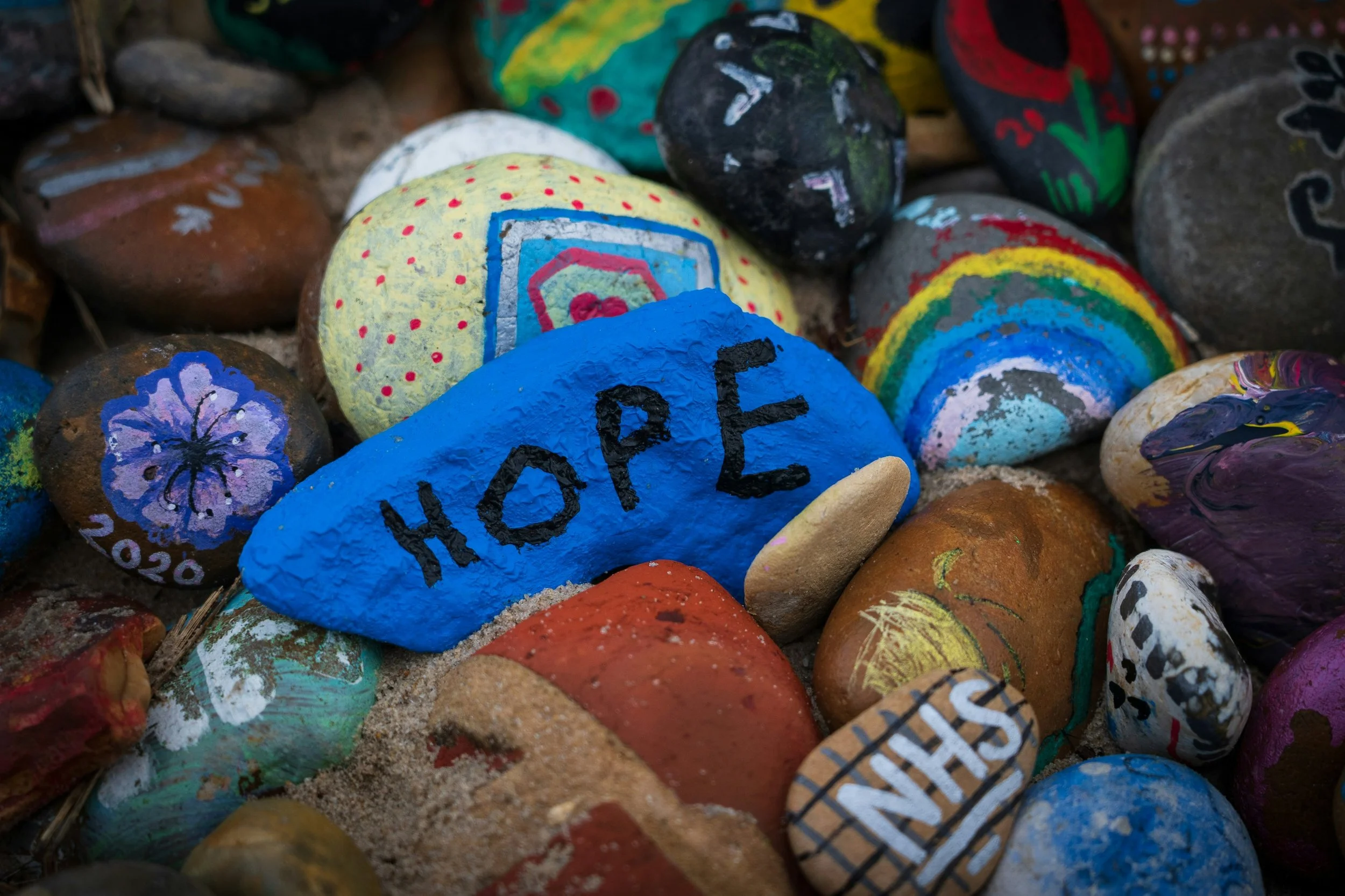
Spring makes hope easier to access, not because it solves anything, but because the world starts offering you evidence that things do not stay the same forever. The cold did not last forever, and the dark did not last forever;\. Your worst semester, your worst month, your worst week will not last forever either.
Easter, at its core, is saying the same thing. Whatever you make of the theology, the holiday is one of the oldest human celebrations of renewal that exists. People have been gathering in spring to mark beginnings, to feast after periods of scarcity, or to light candles against the dark for longer than recorded history. Across all of those different rituals and beliefs, a single feeling runs through them — the need to pause and say, 'We made it through another winter. Something new is possible now.'
If the last few months have felt heavier than you expected, you are not alone in that. Winter has a way of grinding people down in ways that other seasons do not. By the time April arrives, a lot of us are carrying things we never meant to be carrying this long. Spring is not a magic cure for that, but it is a genuine invitation. An invitation to step outside, to notice that the world looks different when the sun hits it at this angle, to let yourself feel, even briefly, the possibility that something good is on the other side of what you're going through.
Go outside. Let the April light fall on your face for five unhurried, unnecessary minutes. Let yourself believe even slightly that things are moving in the better direction.
Things have always been moving toward renewal, and spring proves it year after year while Easter says it out loud. What seemed finished was not finished at all.
That ray of hope this season offers is not something you have to chase or earn. You do not have to feel ready to believe it. You just have to step outside and pay attention to what is already happening around you!