What is Art in the 2020s?
Written by Dylan Smith
Thumbnail and Banner Photo by Elena Soroka on Unsplash
It seems to me that these days there is a lot of anxiety about art. Many of the challenges facing our generation concern how we express ourselves and how we understand others. I would not be the first to suggest that social media has made us less authentic than ever before, and now the looming spectre of generative AI and the perception of poor quality when it comes to popular media threaten to stamp out what little authenticity remains in our society. In my view, these are fundamentally artistic problems – problems which are inexorably interconnected with the artistic process. Our collective dissatisfaction with contemporary media leads us to question what even constitutes “art” in the modern day. Can a computer make art? Can a corporation make art? Where do we draw the line between art and propaganda?
What is Art?
When you think of art, you may immediately think of practices like painting, illustration, and sculpture. Indeed, these are stereotypical examples of artwork, though they are very different from one another. So what are the common features that make all of them “art”? You may suggest that all three are methods of representing a real thing through visual media. That seems reasonable enough. Now consider a road work sign, the one with the little pictogram of a man with a shovel that indicates there’s construction ahead. This, too, is a way of representing a real thing (road work) through a visual medium (the pictogram). Is this art? You may say no; I certainly would. On the other hand, consider a piece of music. A piece of music is also considered a work of art, but it neither represents a real thing nor does it utilize a visual medium. So, it seems that whatever art is, it is a feature of both a painting and of a piece of music, but not of a road sign. What various artistic media share with each other and not with purely functional symbols is not a discernible physical or sensory feature, but rather the process and purpose of their creation. The artwork is the product, but the art itself is the self-expressive act by which, and for which, the work is created.
Art, then, is the process of translating your subjective internal world into the external world using symbols, such as strokes of paint or musical notes. The value of artwork in our lives lies not merely in its material properties, but in its ability to illuminate the internal world of others, and in doing so broaden our own perception of the world. Therefore, the question we should ask when evaluating media is not “Is this art?” but rather “Is this the result of the artistic process?”.
AI
Based on this definition, what can we say about AI-generated “art”? In short, we can say that it is not art. Neural networks like ChatGPT have no internal world, and thus cannot translate their internal world into an external object. However, I believe that the issue of AI in art is a little more complicated than this. On one hand, some artists leverage generative AI tools to simplify some of the craft elements of the art-making process without diminishing the artistic value of the end product. On the other hand, it seems that AI tools are most often used to generate products with little or no artistic value by circumventing any human involvement in their creation and, by extension, the artistic process itself.
Slop
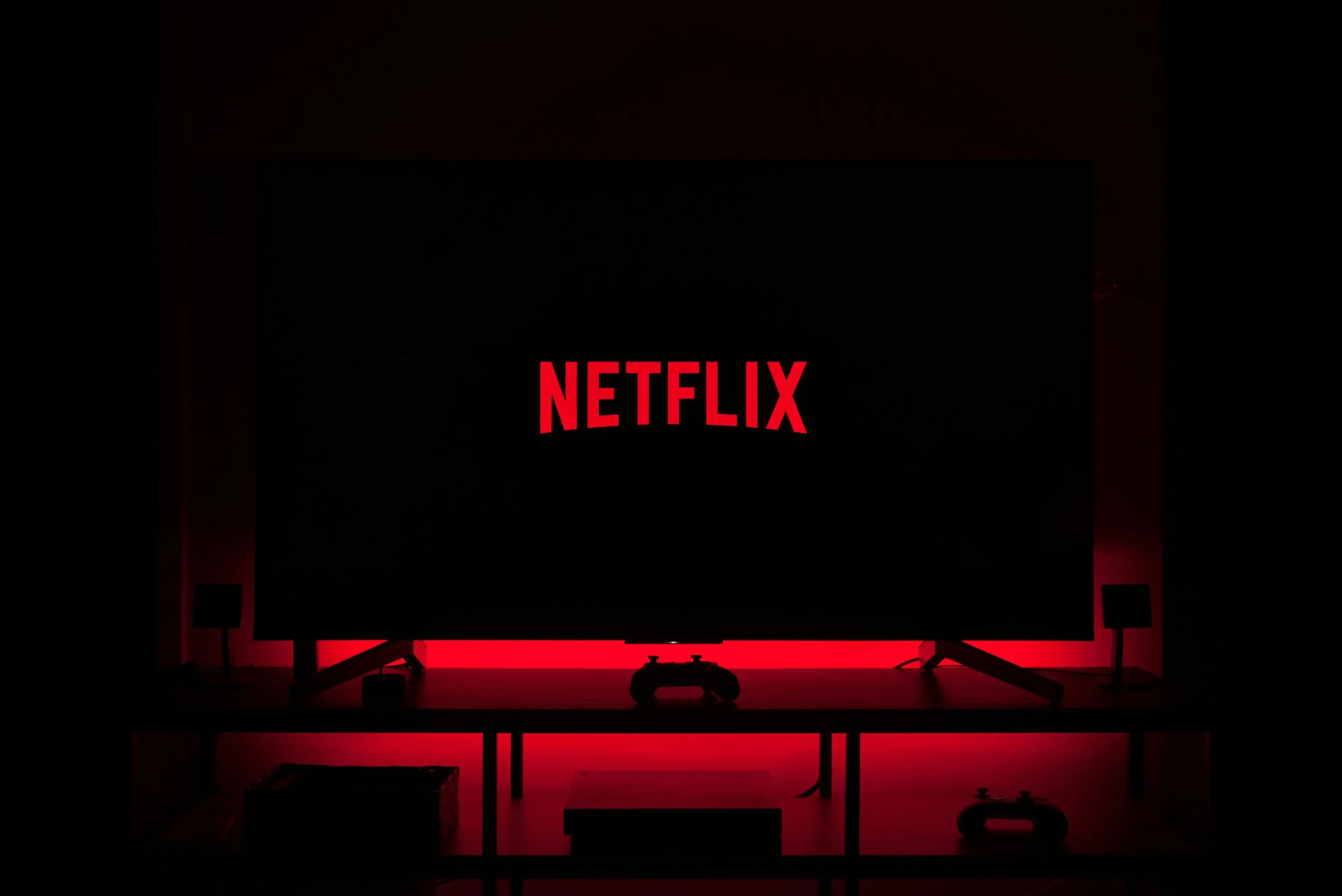
When we consider art in this way, the overall downturn in the quality of popular media in recent years becomes more transparent. It seems to me that, for at least the past decade, the vast majority of popular media has had no artistic merit at all. If you’re anything like me, you may watch the most recent blockbuster movie or the hottest Netflix original series and be left in utter disbelief that a single human was involved in its creation. This is, I think, because not a single human really was. These productions may recruit the use of human hands, human eyes, and human ears, but human souls are largely absent from the process. Most movies, television, music, and books are not created, but rather designed, and designed with the intention of simply occupying time – or worse, acting as vehicles for propaganda – without any consideration given to expressing anything real about the human experience. We can’t feel the humanity behind these works because it’s not there. Mass media has effectively removed the human element from entertainment; apart from the odd passion project which defies the odds and makes it through the process, the products of the entertainment industry are simply the output of a mechanical assembly line – pure slop, to use the contemporary colloquialism.
Propaganda
How do we distinguish art from propaganda? I think the distinction is rather subtle. Art is fundamentally a matter of giving external form to the internal world, and in that sense all art is characterized by a statement beginning with “I am” – “I am afraid,” “I am in love,” “I am alienated.” Art is expressive, and its purpose is to reveal something; in contrast, propaganda is persuasive, and its purpose is to prove something. Works of propaganda are characterized by a statement beginning with “this is” – “this is good,” “this is evil,” “this is what is happening,” or conversely, “this isn’t happening at all.” This isn’t to say that artwork and media shouldn’t be persuasive; most works of art, even great ones, have an expressive element and a persuasive element. But those elements are separate, and we would be wise not to confuse works of pure propaganda with art. Our problem today is that so much of the media we consume is just that – pure propaganda – made with the intention of narrowing our minds rather than broadening them.
What is to be done?
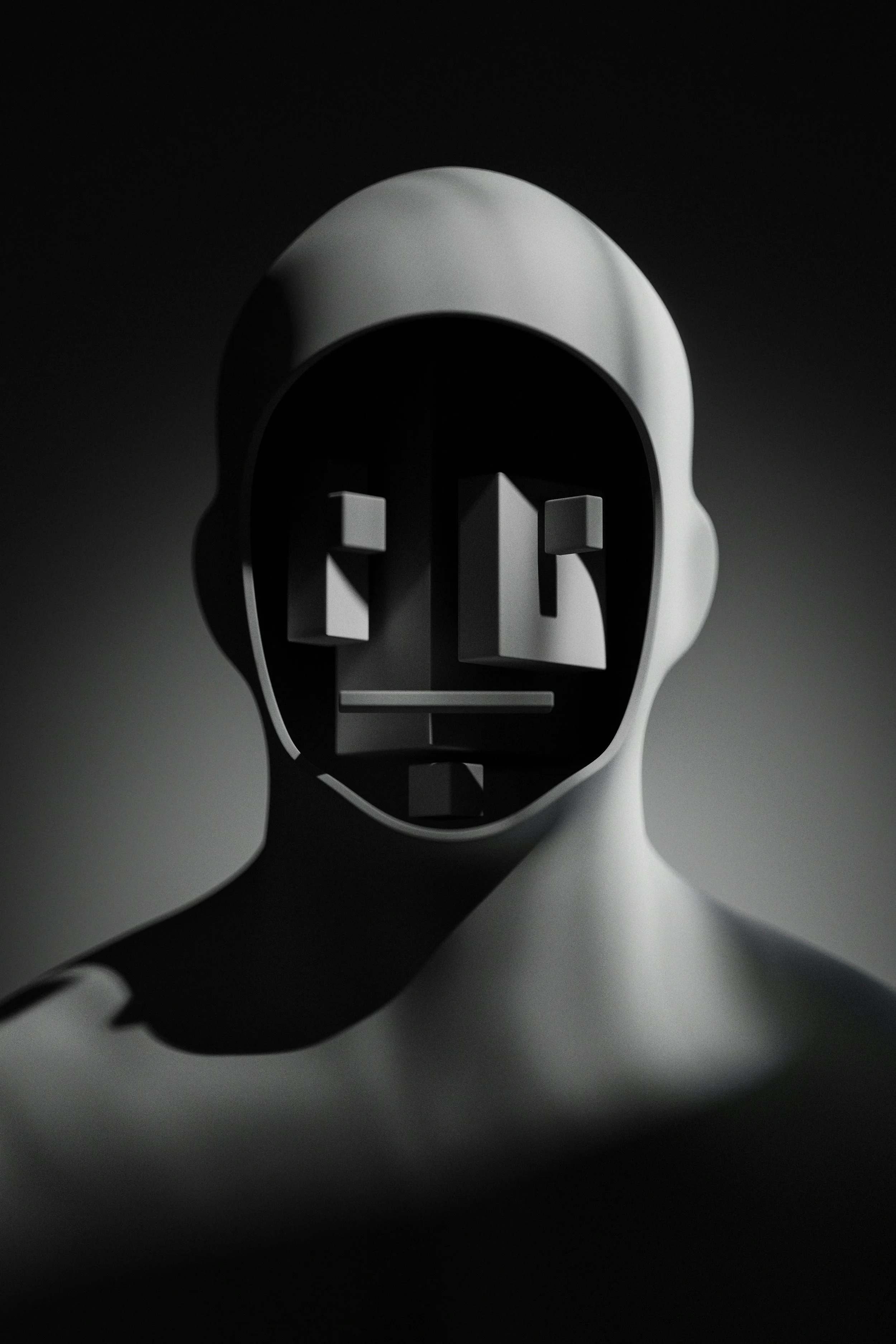
Our society is drowning in a tidal wave of garbage. Not only is the overall quality of media and entertainment at an all-time low, but it is easier than ever to access and harder than ever to avoid. Our phones, TVs, and computers are hardly more than drainpipes, continually evacuating the intellectual equivalent of raw sewage into our lives at every moment of every day. So what can we do about it? How can we ensure that art survives the 21st century? I think the best thing that we can do to resist the ensloppification (so to speak) of daily life is simply to be authentic. These problems we are facing are all enabled (if not outright caused) by a fatal apathy towards authenticity. We allow slop to dominate our minds because we are too hypnotised by spectacle and the prospect of the next big thing to consider whether or not any of it is actually enriching to us. That isn’t to say that entertainment is pointless, but it’s only one part of a complete and fulfilling life. If you want to truly enrich yourself, you must be honest with yourself and with others. Express yourself honestly and engage honestly with the world. When you are honest, when your actions, your words, and your work reflect your truth – your internal world – you are practicing art in every part of your life; you are denying slop an ingress into your world.