
How to Study More Effectively, Based on Psychological Research

Written by Dylan Smith
Thumbnail and Banner Photo by Unseen Studio on Unsplash
Chances are, you’re not studying optimally. That doesn’t necessarily mean that you aren’t working hard, but rather your methods are not allowing you to enjoy the full benefit of hard work. Fortunately for all of us, there are lots of highly educated people in lab coats who spend their days watching other people work in order to determine how best to learn and remember things. Many such people are psychologists, and over the past century, they have made some rather clever discoveries which may prove useful to you as a student preparing for the upcoming exam season.
Before we begin, let’s get one thing straight: psychology isn’t mind control. Psychology is the scientific study of thoughts, feelings, and behaviours. Studying, learning, and remembering are all behaviours, and thus are a matter of psychology. I’m not a magician, and I can’t tell you how to “hack your brain” to learn ten times faster than you already do. What I present herein are merely strategies and methods which, based on our present understanding, will improve the gains you make from studying. While I cannot guarantee that all of these strategies will work for you, I can confidently report that they have all worked for me personally, and research suggests that they will work for others as well.
Get Some Sleep
This is probably the most straightforward advice I’ll offer in this article, but it confers the most intense and extensive benefits. Adequate, restful sleep is beneficial to almost every mental faculty, including attention and memory.
Sleeping before studying helps you learn better. In addition to making it easier to focus, studies show that it is easier to remember material learned following adequate sleep than following restricted sleep. Furthermore, sleeping after studying helps you to better remember what you have learned earlier. During rapid-eye-movement (REM) sleep, memories are consolidated in the hippocampus, a brain region responsible for long-term memory. Studies show that failing to get adequate REM sleep makes it very difficult to consolidate new memories; if you study without sleeping afterwards, a good portion of the time you spent studying will go to waste, since your brain won’t be able to consolidate that new material into permanent memories. You may have met someone who took pride in being able to pull “all-nighters,” studying all night without sleeping. If you are such a person, I implore you to stop. If you have ten hours to study for a morning exam, you are better off studying for two hours and sleeping for eight than studying for ten hours. It doesn’t matter how much material you cover if you can’t remember a single word of it.
More than half of your total REM sleep time occurs in the last two hours of a typical eight-hour sleep cycle. Unsurprisingly, you need to sleep the first six hours in order to get the benefit of the last two; you can’t “cheat” your brain by sleeping for two hours at a time, four times a day. Since those last two hours are so critical, you shouldn’t be afraid to sleep in whenever you can to make sure you are really getting a full eight hours of restful sleep.
If you have trouble getting to sleep or staying asleep, chances are your lifestyle is contributing to this problem. The good news is, you can take easy steps to fix it. Firstly, cut down on caffeine. Caffeine has a half-life of about seven hours in the bloodstream, meaning that even seven hours after dosing, half of that dose is still in your system. Personally, I don’t ingest any caffeine after 4 pm. Drinking excessive caffeine, even early in the day, can also negatively impact your ability to sleep, so no more triple-dosing pre-workout before your morning gym session. Secondly, being exposed to bright, blue light, such as is emitted by LED lights and computer screens, makes it harder for your brain to initiate sleep. Most phone and PC operating systems these days have an option to automatically shift to warmer colours at specified times, so try using this if you have to use your computer before bed. Thirdly, and perhaps most importantly, turn off your phone. In addition to emitting blue light, it is very mentally stimulating, and thus antithetical to sleep. Instead of doomscrolling before bed, try reading a (physical) book to “wind down” your brain for an hour or so before sleeping.
Leverage State-Dependent Memory
Memory is probabilistic. Your brain is a network of millions and millions of individual neurons; each one associated with a certain experience: a smell, a sensation, a word, et cetera. When you recall a specific memory, your brain is activating a cluster of neurons associated with that memory, and each individual neuron is more or less likely to activate based on how many neighbouring neurons are also activated; you’re more likely to remember any single experience if you are also remembering other things you experienced simultaneously. In practical terms, this means that you’re more likely to remember something you’ve learned when you’re in the situation in which you initially learned it; this is called the “reinstatement effect.”
You can use this principle to your advantage when studying. The best environment in which to learn new material is the one in which you are later planning to remember it. If you study in the room in which you take your exam, you’ll remember the material more easily on exam day than if you had studied at home. Similarly, on exam day, you should aim to, as much as possible, recreate the conditions in which you studied. If you listen to music while you study, listen to the same music just before you take your exam. Personally, I choose an album for each class around the start of the semester, and listen to that album whenever I’m studying for that class. You can also “warm up” your brain for a given topic. Since you will more easily remember material when it is also remembering related memories, you can “prime” your brain for the topic by reviewing your notes or course materials just before an exam.
I once had a professor who said, “If you get drunk before you study, you’d better get drunk before the exam, too.” Shockingly, this is actually good advice; any material you learned while drunk you are more likely to recall while drunk than while sober. Of course, studying while drunk will have an overall negative effect on your recall later, so I certainly wouldn’t recommend it. However, the same principle is true of more traditional study aids such as caffeine and prescription medication. If you drink coffee or tea while you study, bring the same coffee or tea into the exam with you (if it is allowed), and if you use some type of prescribed psychoactive medication such as Vyvanse or Adderall when you study, you should aim to use the same dosage before your exam in order to best recreate those conditions.
Don’t Study Too Hard
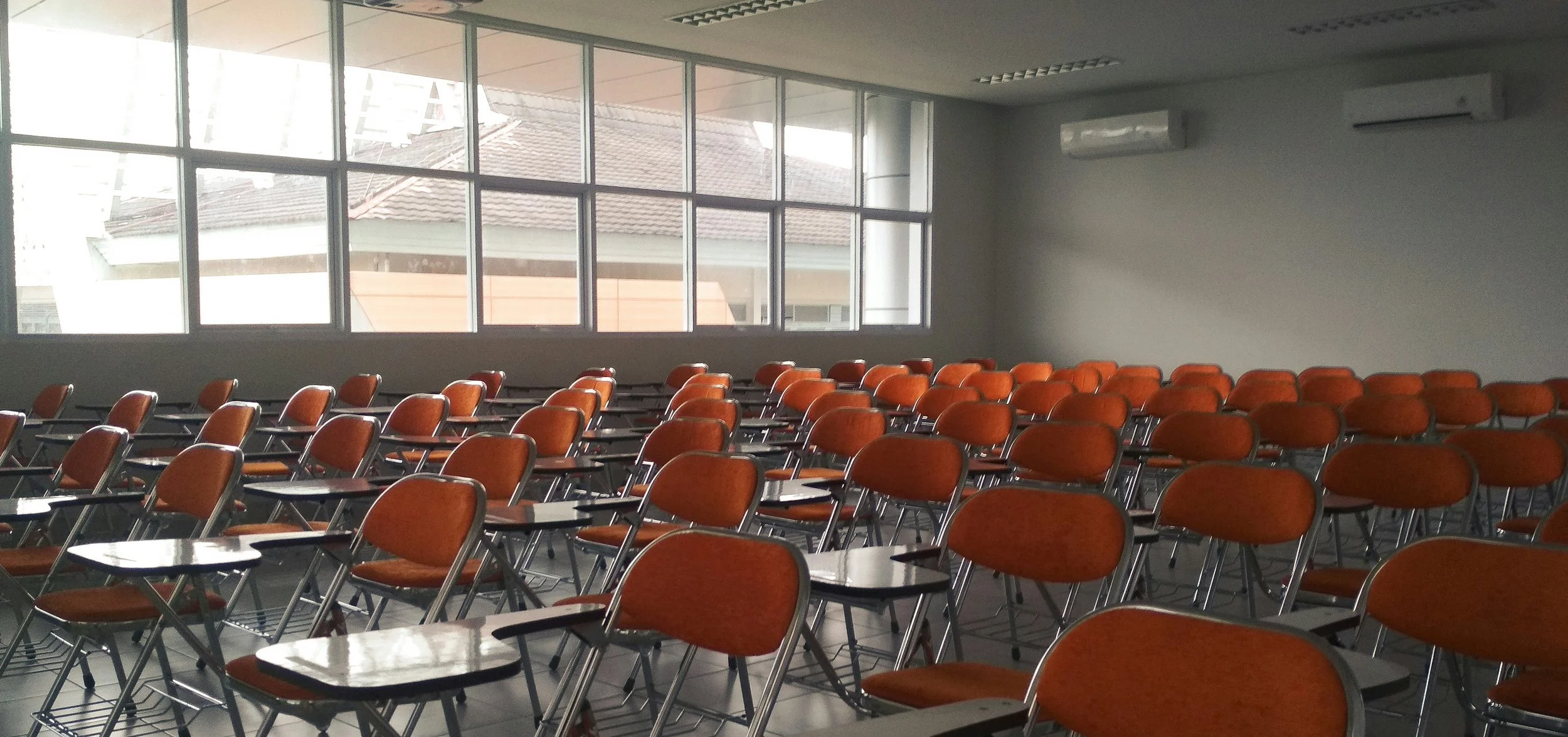
Here’s one you’ll probably be eager to implement, and yes, I’m completely serious. You can really only absorb so much material in one day, and trying to learn too much all at once will make it more difficult to remember what you’ve learned. This is called “memory interference”; it’s the process by which learning new information actually degrades your memory of old information.
Memory interference is more likely to occur when learned materials are similar, and when the conflicting materials are learned before memory consolidation (sleep). For this reason, it may be advisable to, whenever possible, focus on just one topic in a given course per day. Obviously, this may be quite difficult if you have a large amount of material to learn in a short amount of time. Rather than treating this as a hard-and-fast rule, just plan your studies with the general philosophy that “less is more”. One way to make this easier to implement is to prioritize the most critical material in any given course; if you don’t know what that is, ask your professor if they can give you an overview of what material will be covered on your exam.
On the topic of not working too hard, try to take regular breaks while studying (note that regular does not necessarily mean frequent). Much like sleep, attentiveness generally fluctuates according to your internal clock. Similarly to how your wakefulness follows a 24-hour “circadian rhythm,” your degree of attentiveness follows an “ultradian rhythm” roughly 90 minutes long. You may have already observed that after about an hour of intense work, you hit a wall and become unable to keep your mind from wandering. This is, in part, because you are nearing the end of an ultradian cycle. When this happens, you’re better off taking a 20-30 minute break and then returning to studying than simply trying to push through. There’s no sense in burning yourself out reading the same paragraph over and over again if you’re not actually internalizing the material. In order to get the most out of your breaks, decide when and for how long you will be taking a break before you begin studying. This will keep you accountable to yourself and help you overcome the mental difficulty of returning to work.
Increase Your Depth of Processing
This one may sound complicated, but it’s actually pretty straightforward in practice. Not all memories are created equally; some types of memories are better remembered than others. How easily you remember something that you’ve learned will depend on the “depth” at which you learned it. For example, if you are trying to memorize a series of words, a “shallow” memory might be something like how many letters or how many vowels are in each word. A “deeper” memory might be something like a mental image of what each word represents, or a personal memory of which each word reminds you.
The deeper a memory is, and the more it is connected to your existing memories, the more easily you will remember it later. When you’re studying, don’t just read the words on the page and hope to remember them verbatim. Instead, try as much as possible to actually understand the meaning of the words, and actively connect the new material to what you have already learned and to real-life situations in which it may be relevant. Admittedly, this is much easier to do with certain topics than with others, but you should still make an effort whenever you can. Even taking the time to consider whether or not the material might be relevant to the real world can help you remember it better. If you want to check how deeply you’re processing your study materials, try to imagine how you would explain the current topic to someone who knew nothing about it. If you really understand the material, your hypothetical explanation should be clear and straightforward.
You know those practice questions in your textbook that you ignore because you’re not getting tested on them? Annoyingly, they will actually help you learn, and you should be doing them. They give you an opportunity to recontextualize the material and deepen your understanding of it, which will make it easier to remember in the future
Put Your Phone Away
This one is sort of a bonus, since you probably figured it out yourself. That being said, you may not realize just how impactful your smartphone can be on your ability to study. Your phone is distracting, even when it’s not on; according to one interesting study, merely resisting the urge to check your phone may actually expend cognitive resources, making it more difficult to concentrate. This effect is stronger for people who check their phones more frequently.
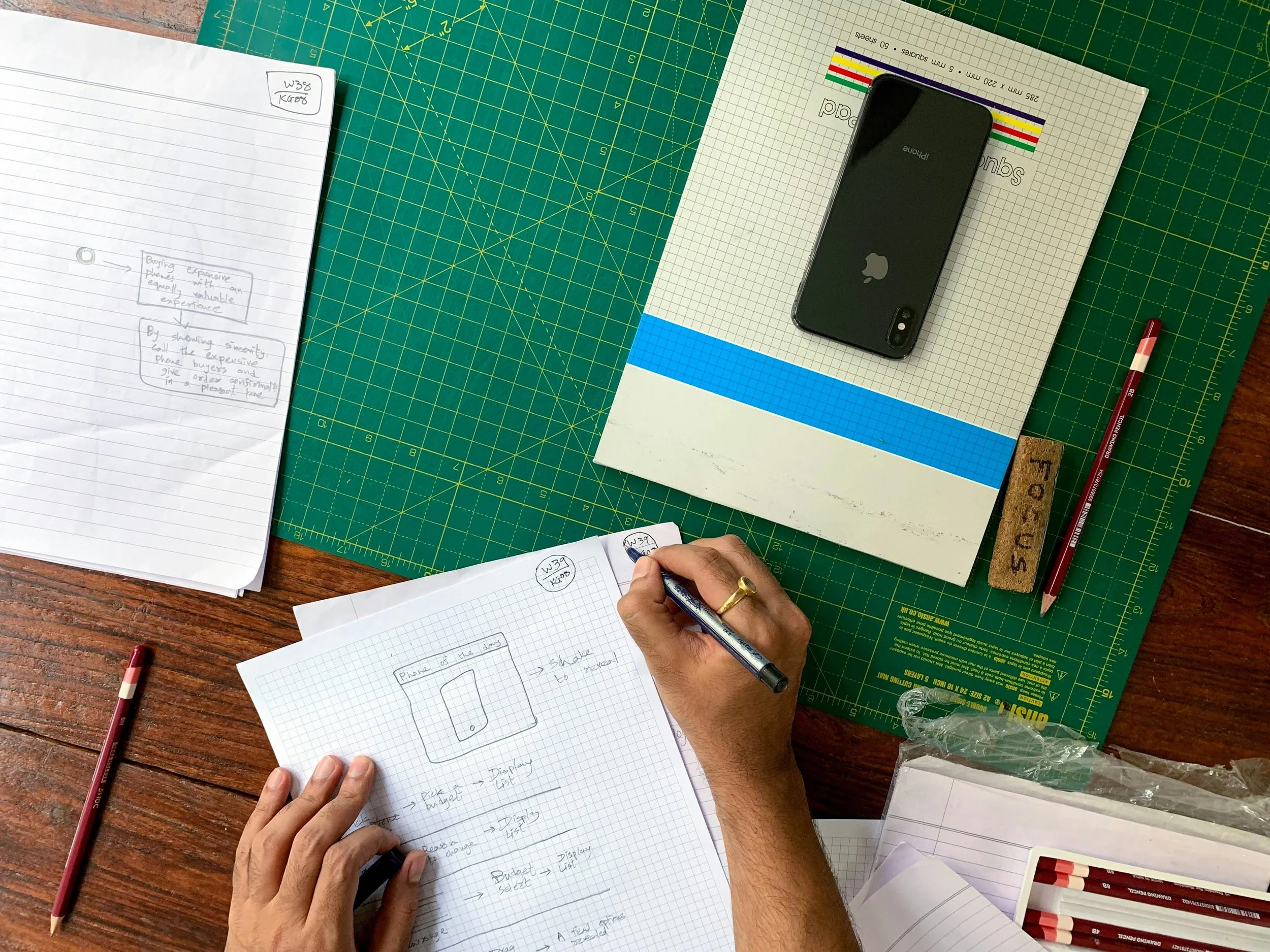
Furthermore, it’s easy to use your phone to pacify yourself when you start getting frustrated. Personally, I often find myself reaching for my pocket when I get to a tough spot while studying. Checking your phone is part of a cognitive “script,” a predetermined pattern of behaviour which you may follow without thinking. You get frustrated, you pick up your phone, you open TikTok, and you start scrolling before you’ve even noticed what you’re doing. If you want to avoid this, give yourself as much opportunity as possible to interrupt the script, pay attention to your own behaviour, and act with intention rather than out of habit. Put your phone in your bag, in a different room, or just leave it at home if that’s feasible for you. The more chances you have to notice what you’re doing, the better.
How to Use These Strategies
I should clarify at this point that these strategies are complementary to studying, not supplementary. None of these are “tricks” to skip studying, and working smart is not an alternative to working hard. Don’t work too hard, but don’t work too easy, either.
This is by no means a comprehensive guide to the science of studying, and your mileage may vary for each of these strategies. Everyone is a unique snowflake (see my previous article for more on that), and your experience of studying will inevitably be different from mine, and indeed from any single laboratory subject upon whose behaviour these theories are based. If you feel that, for whatever reason, you are unable to study adequately or to implement the strategies I’ve outlined, you have my sympathies. However, if your ability to study is restricted, that’s all the more reason to give yourself every possible advantage; don’t fall into the trap of self-handicapping. Everything I have suggested here is based on scientific evidence, and I reckon that that earns it your consideration, at the very least. Take these strategies as general guiding principles for your studies, and find out what works best for you.
Good luck this finals season, and godspeed.