
Finding Community: Young Queer Haligonians and the Complicated Nature of "Getting Out More"
Written by Nicole Edwards
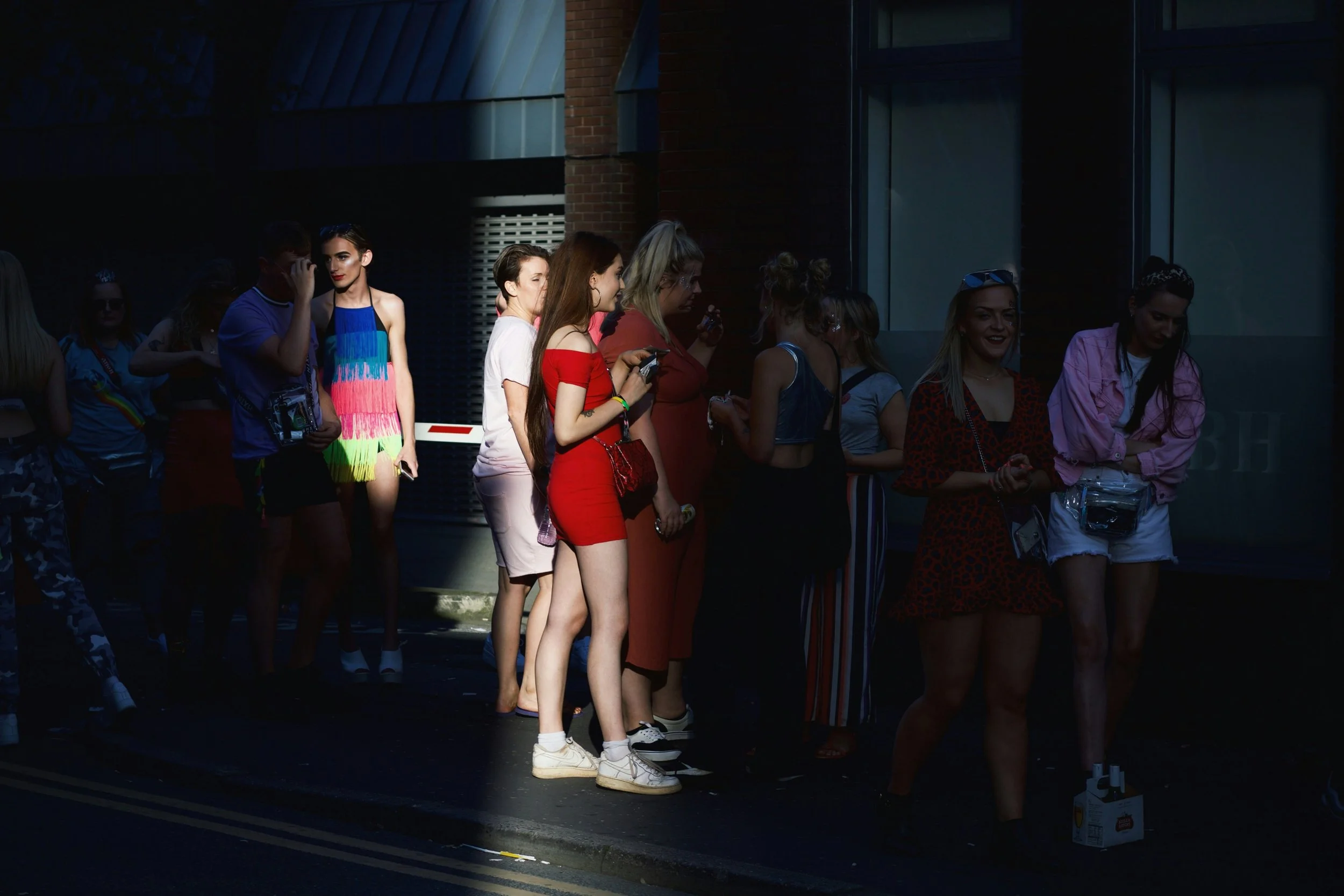
Thumbnail and Banner Photo by Sushil Nash on Unsplash
Halifax is home to a large number of queer-identifying youth. It is an undeniably diverse hub, hosting seven universities, and in 2022 being named “the second most gender diverse large urban centre in Canada.” Even so, many queer-identifying young adults find themselves unable to locate a stable gathering place to foster meaningful connections within their community. While there is not a total absence of queer establishments in Halifax, there is a lack of attention paid to the difficult factors hindering the young queer community from utilizing them. Having a constant, inclusive, accessible third place for the queer community is essential to their ability to cope with the pressures of being marginalized in society, and nurture their sense of belonging and purpose.
The straight community of college-aged people in Halifax have an overwhelming number of choices as to where they gather socially. Our society is built for a heteronormative majority, meaning that the most obvious hangout places such as a university library, the local mall, or the average bar, cater toward the comfortability of straight visitors. For example, a popular, long-standing Halifax nightclub named The Dome is deliberately catered toward a young and straight audience. The music played there reflects an experience of pop culture that is often separate from the queer communities, and there is a prevalent straight hookup culture that dominates the nature of socialization inside the bar. Aside from this single example, two “complementary” gender roles are expected to be played as they are prescribed by society in all heteronormative spaces. Queer people know that by deviating from these norms such as in dress, in interests, and in whom they show affection to, they are at risk of receiving homophobic comments or actions with no guarantee of protection. Queer people find themselves putting on a mask when associating with those who do not understand their lived experiences. They have to code-switch to fit-in with a different crowd who may not accept them as human beings. It is crucial that queer youth are offered alternative, safe and specific gathering places to counteract these factors.
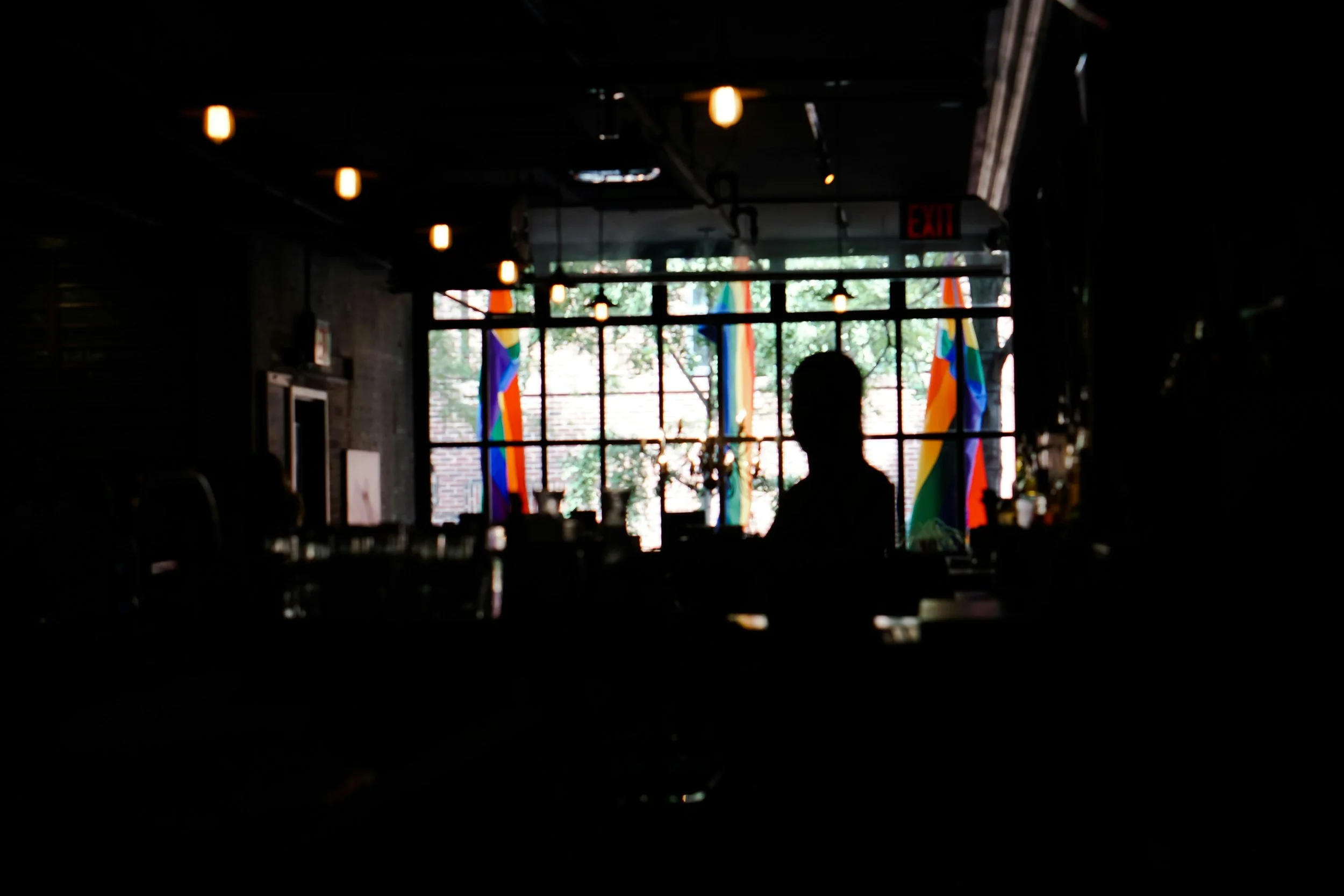
Queer-friendly and queer owned businesses in Halifax absolutely exist. The Glitter Bean Cafe, Rumours and Stardust being among the most notable. Other spaces also attract a queer crowd and successfully unite the community unofficially or on specific days, like The Local, especially with their night “Gin and Jazz.” It is a step in the right direction that the queer community has been given these establishments in Halifax, but Halifax’s history of closing queer establishments shows that these types of spaces are not secured. The Halifax Rainbow Encyclopedia has an extensive record of several gay bars which have closed down in the 2000s, and the four that remain. Rumours, one of the four, is even subject to closure if they do not hit a certain financial quota in the next couple of months. To grow a tight-knit community somewhere, some semblance of continuity and stability is required, something queer establishments are struggling to maintain in the city. The issue with a queer cafe or bar, is its inability to meet the needs of those in the 2SLGBTQIA+ community who require connection the most. Students today simply do not have the spending money other generations had to get out and buy coffee or alcohol. Many Students currently have no viable way to afford housing, tuition, and groceries in Nova Scotia without financial help. Drinks are often $10+ a piece and transportation is pricey once the Halifax buses stop running for the night. There is also a lack of attention to neurodivergent-friendly spaces as well as spaces able to accommodate persons with disabilities. Many establishments require climbing stairs, listening to loud music, being subject to flashing lights, and/or have limited seating, leaving these sub-groups of queer people left with extremely limited options.
The answer to this is arguably not to host a hyper-specific game night for sapphics only or a bar-crawl for bisexual folks once a month. It is to provide a constant, staffed, accessible, and free place for queer people to gather, be protected, express themselves, and connect. One way this could be provided is through financial grants from the regional government. Additional spending toward a library-like facility for the queer community specifically would greatly increase the community’s social capital and welfare. Having a place to validate one’s identity, meet people they can relate to and feel safe from judgement is essential in a world still ripe with heterosexism and binary gender ideals. Queer people do not want to surrender their grocery money, their working hours, their interests, their comfort or safety for queer spaces that keep shutting down. It is time to see queer lives nurtured in a city proud of its diversity.