
Arts-Based Research: Experimentation in the Performing Arts
Written by Kenneth Haggett
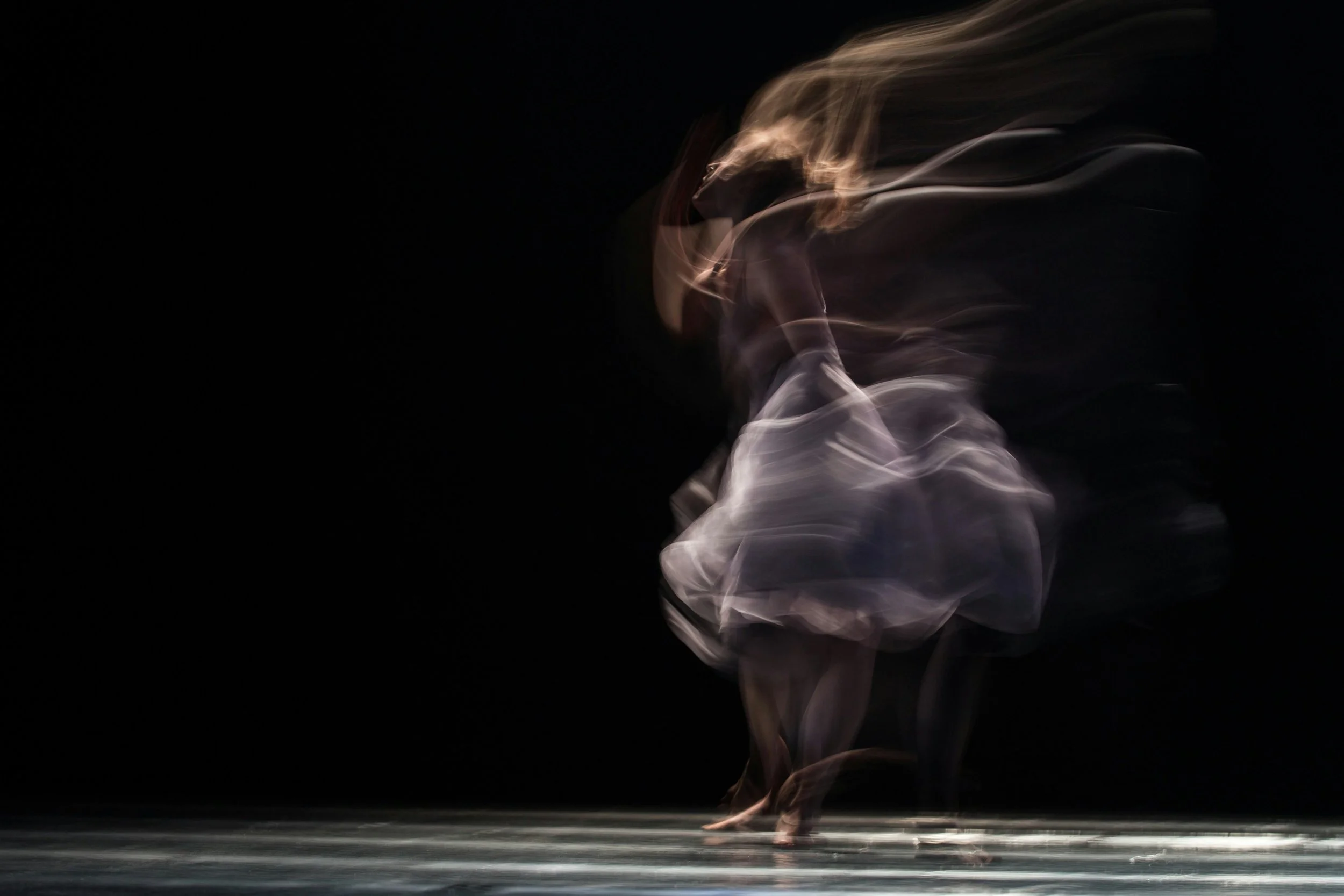
Thumbnail and banner photo by Ahmad Odeh on Unsplash
Introduction
Within the performing arts, students and researchers engage with their bodies and artistic skills as a means to produce art. In contrast to most disciplines, which aim to generate objective knowledge of the external world, performing artists aim to generate subjective knowledge or new forms of culture. Empirical, scientific disciplines often use external sources to do their research, namely other participants or findings from others’ research. Performance artists, however, do research by looking internally, finding knowledge and developing culture through their creative practice.
How Do Performance Artists Do Research?
Because performance arts are presented through the body in some fashion, research in this discipline—like many other disciplines using arts-based research—manifests differently than that within empirical, scientific disciplines. Rather than using a rigid set of methods or methodological approaches to generate objective knowledge, the performance artists’ research is a process of improvisational creation. As Melina Scialom explains, the “actors, dancers or researchers in performance arts can be seen as ‘[...] a kind of wizard’” that experimentally moves through the creative process. To do research, for many performance artists, is to experiment with their practice, without limits, to make new discoveries in their craft.
Such an improvisational method for research is widely known in the performance arts as the “laboratory” approach. A typical understanding of a laboratory (say, in the natural sciences) is a space where experiments are conducted using specific tools to examine or run tests on specimens, chemicals, elements, or other samples. In the performing arts, the “laboratory” is also a space of experimentation and creation. However, the “experiment” involves the performer's use of their body, musical instrument, voice, or other means of expressing art to explore the realm of possibilities for their practice. That is, their focus is on the process of doing the research, rather than on the outcome or results that manifest from it.
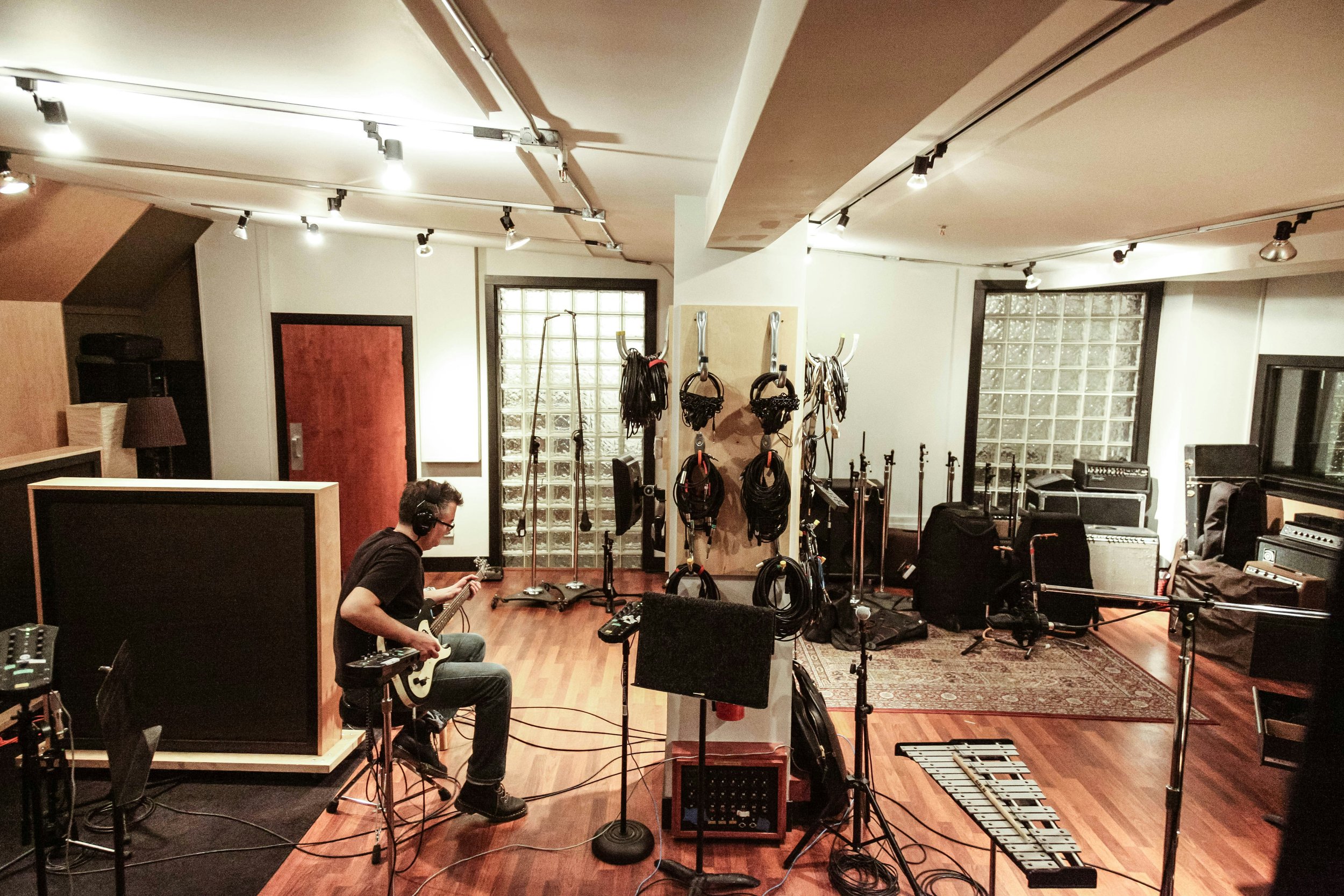
In contrast to typical understandings of the laboratory, which is often very bound to a particular place (e.g., a university science laboratory), the performance artist’s laboratory can be in a variety of places, depending on their type of performance art. For instance, in the case of Cuong Vu, an assistant professor in music, their “research lab” is in a local jazz club where he plays the trumpet. For a dancer/choreographer, their research lab would likely be a dance studio, where they use their own or others’ bodies to experiment with different movements, formations, or transitions. Even one’s own bedroom could be a space of research! Essentially, performance artists can make many places their “research lab” to experiment with their form of art.
While, for the most part, performance artists veer towards experimentation and improvisation in their creative research, some performance artists also research to answer a particular question or come to a particular conclusion. Oftentimes, this research is done in collaboration/triangulation with qualitative or quantitative research in other disciplines. For instance, researchers from sociology, psychology, women & gender studies, and other humanities and social science disciplines often draw on arts-based or performance arts research as a supplementary method or communication device for their research. In this case, researchers may use a form of performance as a means to answer their research question or communicate findings. This is particularly visible in Forcer et al. (2022), where singing became a key methodological tool for research on social violence. Such can also be seen in ethnodrama or playbuilding, where research findings are utilized to develop a script for performance and often focus on the experiences or perspectives of the participants.
The Embodiedness of Performance Arts Research
Embodiedness is a core aspect of research for many performance artists. The body is often the key source of “data” or knowledge within performance arts research, as it communicates the knowledge that bodies hold—whether through dance, singing, or playing an instrument. According to Candice Boyd and Kaya Barry (2024), performance-based projects are “dynamic, embodied, and rendered through action” (p. 2). The body is thus the key site of the research process—the venue of the research, not just the producer of it. Rather than the research being an outcome to store, contain, or archive—as is often the case in scientific research—the performance-based research becomes a form of knowledge that is “temporarily ‘held’ in bodies and minds” (p. 2). While Boyd and Barry note that this embodied research can be put into words, it is merely a translation of the performance, rather than a holistic or comprehensive presentation of it.
Why Do Performance Arts Research?
Performance arts methods offer a fresh perspective on how to do research. In contrast to the strict methodological protocols of empirical research, the performance arts allow for the exploration of a creative practice. In many ways, the performance arts are vastly different from quantitative, qualitative, and arts-based research, as the emphasis is on the practice and process, rather than solving a social problem or answering a question. However, performance artists teach us the value of creation in generating knowledge that comes from the body. Likewise, performance arts can allow us to see the beauty of creativity, where the creation itself is focused on producing culture, rather than generating knowledge for the good of academia.
Methods used in performance arts, however, can add extreme value to questions related to culture, community, and the self—often the focus in anthropology, women & gender studies, critical race studies, and other humanities disciplines. For example, in my own research (which I reference in previous articles), dancing in queer community allows me to consider questions about my identity. Specifically, heels dance is a practice to express my feminine identity, while being a source of data for my thesis to reflect on the function of dance in my development of a queer-femme expression.
Conclusion
Overall, performance arts research has a different goal than much of other academic research: it is a process of generating art and culture. While some research focuses on answering research questions or solving social problems, much of the performance arts research focuses on improvisational experimentation to discover new ways to practice their craft. The performance and the research thus become a joint process.